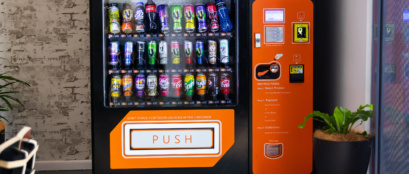
 Drinks
 Snacks
 Meals
Meals Healthy Options
 Miscellaneous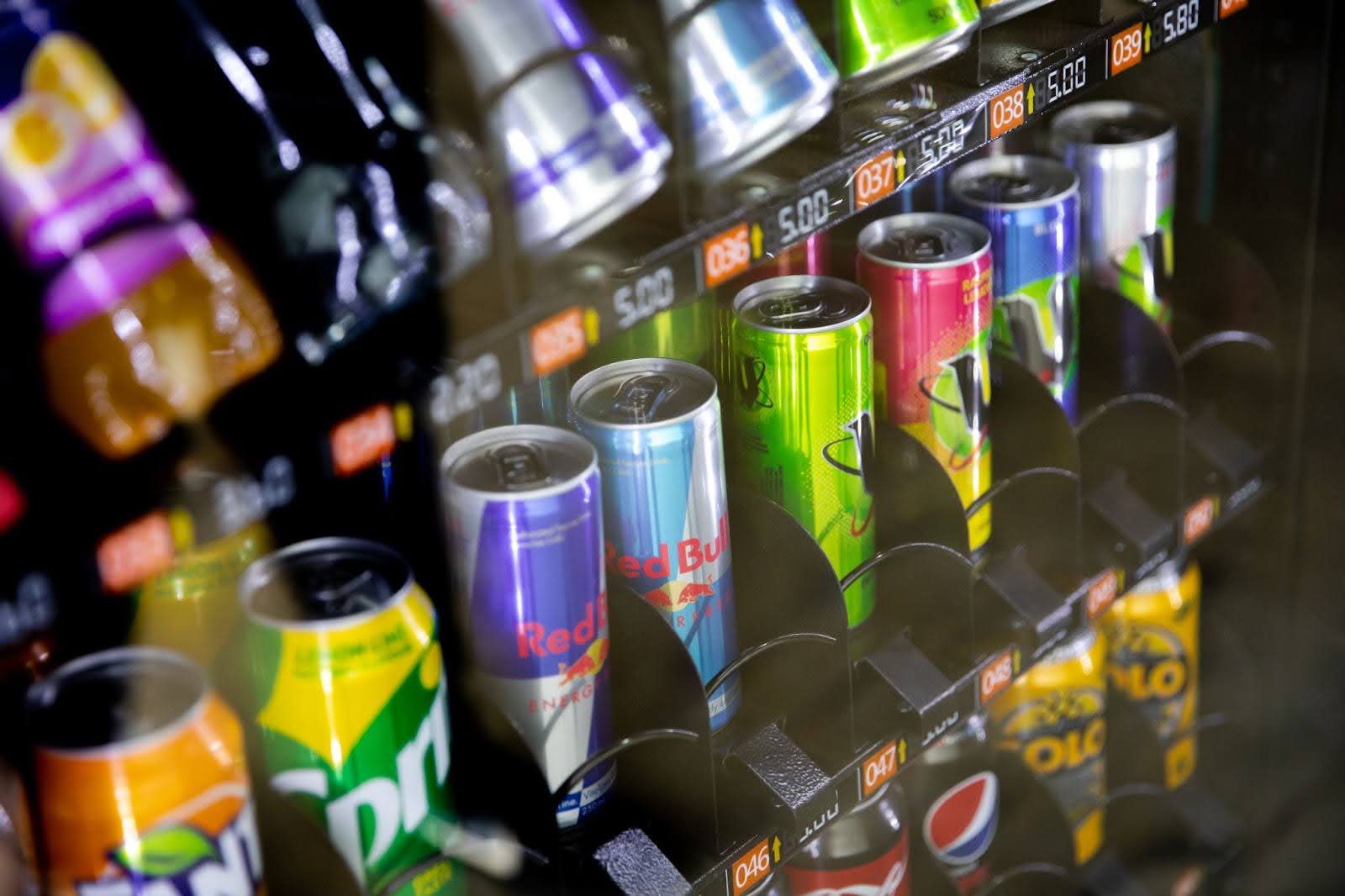
Choosing the right vending solution for your workplace is no longer a simple decision. While traditional vending machines have been around for decades, the growing adoption of the smart vending machine has changed what many businesses expect from vending.
Today, vending machines are not just about snacks and drinks. They play a role in staff convenience, workplace efficiency, and how much time your team spends managing suppliers and maintenance. Understanding the differences between smart vending machines and traditional vending machines helps ensure you choose a solution that genuinely suits your workplace.
What Is a Traditional Vending Machine?
A traditional vending machine is the type most people are familiar with. These machines typically accept coins or notes and rely on manual checks for restocking and maintenance.
Traditional vending machines are still used in:
- Small workplaces
- Low traffic locations
- Sites with minimal vending demand
They offer a basic way to provide snacks and drinks without advanced technology.
Advantages of Traditional Vending Machines
Traditional vending machines appeal to some workplaces because they are simple and familiar. They require minimal setup and can operate without internet connectivity or advanced systems.
They may suit environments where:
- Vending usage is infrequent
- Cash payments are still common
- Convenience expectations are low
- Limitations of Traditional Vending Machines
Despite their simplicity, traditional vending machines come with several drawbacks:
- Cash handling issues, such as jammed coins and incorrect change
- No real-time visibility of stock levels
- Manual or reactive restocking schedules
- Slower response to faults or outages
In busier workplaces, these issues can lead to empty machines, downtime, and staff frustration.
What Is a Smart Vending Machine?
A smart vending machine uses modern technology to improve both the user experience and how the machine is managed. Instead of relying on manual checks and cash handling, smart vending machines focus on reliability, efficiency, and ease of use.
A smart vending machine typically forms part of a fully managed vending service, where installation, stocking, servicing, and maintenance are handled by the provider. Many workplaces choose this option to reduce internal workload and ensure consistent availability.
You can learn more about how a smart vending machine works through Xvend’s smart vending solutions, which focus on cashless payments, monitoring, and hands-off management.
Smart vending machines are commonly installed in:
- Offices and professional workplaces
- Warehouses and industrial sites
- Schools and education facilities
- Healthcare environments
- Gyms and high-traffic staff areas
Core Features of Smart Vending Machines
1. Cashless Payments
One of the key differences between smart and traditional vending machines is payment. Smart vending machines support card and mobile wallet payments, allowing staff and visitors to tap and go quickly. This removes the need for cash handling and reduces common issues such as coin jams or lack of change.
2. Live Monitoring
Smart vending machines can be monitored to track usage and stock levels. This helps ensure products are replenished before machines run empty, reducing downtime and improving reliability.
3. Fully Managed Servicing
Smart vending machines are typically part of a managed service. Maintenance, restocking, and repairs are handled by the vending provider, rather than relying on workplace staff to report issues.
4. Energy Efficient Design
Many smart vending machines include modern components such as LED lighting and power-saving features. This helps reduce energy consumption compared to older machines. These features focus on practical outcomes rather than unnecessary complexity.
Smart Vending Machine vs Traditional Vending Machine Comparison
Payment Convenience
Smart vending machines offer faster, cashless transactions. Traditional vending machines rely on coins or notes, which can be slower and less convenient.
Stock Availability
Smart vending machines use usage data to guide restocking. Traditional vending machines often rely on fixed schedules or manual checks.
Maintenance and Downtime
Smart vending machines are serviced proactively. Traditional vending machines typically require staff to notice and report faults before action is taken.
Workplace Involvement
Smart vending machines operate as a hands-off solution for businesses. Traditional vending machines usually require more involvement to manage issues and coordinate servicing.
Scalability
Smart vending machines scale more effectively across larger workplaces or multiple sites. Traditional vending machines are generally better suited to low-traffic environments.
Understanding the Term AI Smart Vending Machine
You may see the phrase AI smart vending machine when researching vending solutions. In many cases, this refers to vending machines that use data to help optimise stock levels and performance. It is important to understand that not all smart vending machines use artificial intelligence in the same way. For most workplaces, the practical benefits matter more than the terminology.
When comparing vending options, it is more useful to focus on outcomes such as:
- Consistent stock availability
- Reduced downtime
- Cashless payments
- Fully managed servicing
This approach helps avoid confusion and keeps the decision grounded in real workplace needs.
Which Workplaces Benefit Most from Smart Vending Machines?
A smart vending machine is often the better choice for:
- Medium to large workplaces
- Industrial sites with shift work
- Offices with steady daily foot traffic
- Businesses that want minimal admin involvement
These environments benefit from improved reliability and reduced management time.
When a Traditional Vending Machine May Still Be Suitable
A traditional vending machine may still suit:
- Small teams
- Low usage locations
- Temporary or short-term sites
In these cases, the simplicity of a traditional vending machine may be sufficient.
Cost and Management Considerations
When comparing a smart vending machine with a traditional vending machine, cost is often a factor. While traditional machines may appear cheaper upfront, they can require more internal time and involvement to manage.
Smart vending machines usually operate under a fully managed service model. This can reduce internal workload, improve reliability, and deliver better long term value for businesses that prioritise convenience and consistency.
Choosing the Right Vending Solution for Your Business
The decision between a smart vending machine and a traditional vending machine depends on:
- Workplace size and usage levels
- Staff and visitor expectations
- How much involvement you want in managing vending
- The importance of reliability and convenience
There is no single solution that suits every business. The best option is the one that aligns with how your workplace operates day to day.
Smart Vending Machines for Modern Workplaces
As workplaces continue to evolve, vending solutions are expected to keep pace. A smart vending machine offers a practical, modern approach by reducing manual tasks, improving reliability, and delivering a better experience for users.
For businesses looking to minimise admin, avoid downtime, and offer convenient access to snacks and drinks, smart vending machines provide a clear advantage over traditional vending machines. Understanding the difference between smart vending machines, AI smart vending machines, and traditional vending machines allows you to make an informed choice that supports your workplace now and into the future.