 Drinks
 Snacks
 Meals
Meals Healthy Options
 Miscellaneous
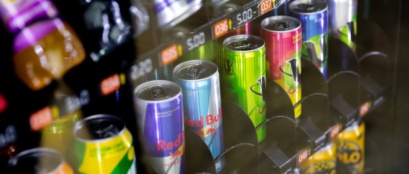
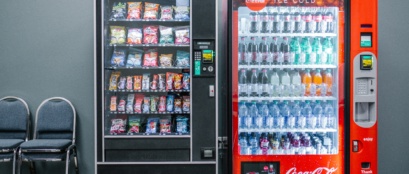
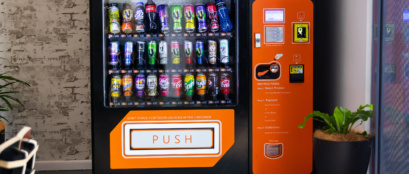
No, a vending machine generally doesn’t use much electricity. A refrigerated snack and drink machine plugs into a normal power point and typically uses about as much power as a commercial drinks fridge. Newer machines are also much more efficient than older models, with LED lighting, improved insulation and energy-saving modes that reduce power use during quieter periods.
Snack-only machines use even less because there’s no refrigeration running in the background. For most businesses, the electricity used by a vending machine is a relatively small operating cost and usually isn’t something that makes a noticeable difference to the overall power bill.
Electricity is usually the main ongoing cost that stays with the site, though, so it’s still useful to know where that power is going. Below, we break down what actually uses electricity inside a vending machine, how modern energy-saving features reduce consumption, and how you can estimate the running cost using your own electricity rate.
What uses the power inside a vending machine?
Three parts of the machine account for nearly all of its electricity use. Refrigeration is by far the biggest. The compressor switches on and off throughout the day to keep drinks and food at the right temperature, so the surrounding environment makes a difference. A machine sitting in a hot warehouse will generally work harder than the same machine in an air-conditioned office.
Lighting is the next main contributor. Most modern vending machines use LED lighting instead of the fluorescent tubes found in older models. LEDs use less power and produce less heat, which also means the refrigeration system has less heat to deal with.
The remaining electronics use comparatively little. Things like the control board, display, card reader and remote monitoring connection draw a small amount of power continuously, but their contribution is minor compared with refrigeration.
How much does a vending machine cost to run?
The best way to estimate the running cost is to use the figures for the actual machine rather than relying on a broad industry average. Vending machines supplied in Australia have an electrical rating on their compliance plate, and your supplier should also be able to provide the expected daily energy consumption in kilowatt hours for the specific model.
From there, the calculation is straightforward: take the machine’s estimated kWh per day, multiply it by the electricity rate shown on your bill, then multiply that by the number of days you want to calculate. That gives you a much more useful estimate based on your own electricity tariff and the machine you’ll actually be running.
If you’re comparing machines before making a decision, the specifications for the vending machines we hire out are a good place to start.
Do power saving modes actually make a difference?
Modern vending machines have a few built-in features that help keep electricity use down, which is one reason newer cabinets are generally cheaper to run than older ones.
For example, many machines can dim or switch off their lighting when nobody is nearby, while some use sensors to bring the display back on as a customer approaches. Refrigeration can also be managed more efficiently.
With smart vending machines, remote monitoring can help with efficiency as well. The same system used to track stock and machine activity can make unusual behaviour easier to spot, such as a compressor running continuously. That means faults can be picked up sooner instead of quietly increasing the site’s electricity use.
Does a snack machine use less than a drinks machine?
The type of machine makes a noticeable difference to how much power it uses. A snack-only machine has no refrigeration system, so it only needs electricity for the lights, controls and payment hardware. That makes its overall consumption quite low.
A drinks machine uses more because it has to keep products chilled throughout the day. The same applies to a combo machine with a chilled section, although the exact amount will depend on the size of the refrigerated area and how hard the cooling system has to work.
If electricity use is an important consideration for your site, it may be worth looking at a snack-only machine or a combo model with a smaller chilled section.
Where the machine sits changes what it uses
Where you place a refrigerated vending machine can make a surprisingly big difference to how hard it has to work. A machine sitting in direct sunlight, behind a hot glass frontage or next to an oven or heater will need to run its cooling system more often to maintain the right temperature.
Ventilation matters too. There should be enough space around the back and sides of the cabinet for heat to escape properly, and the condenser filter needs to be kept clean. If airflow is restricted or the filter becomes clogged, the compressor has to run for longer to achieve the same amount of cooling.
For most sites, simply choosing a cool, well-ventilated position away from heat sources is one of the easiest ways to keep the machine’s electricity use down.
Who pays for the electricity?
The host site covers the electricity. The machine simply plugs into one of your power points, so whatever it uses appears on your electricity bill just like a fridge, microwave or coffee machine in the staff room.
With Xvend, the rest of the ongoing costs are handled by us. There’s no hire fee, and delivery, installation, restocking, repairs, servicing and maintenance are all included. There are also no call-out fees or hidden charges, and you’re not tied into a lock-in contract.
That means the site’s main ongoing contribution is providing power and a suitable place for the machine. If you want to see exactly what’s included before making a decision, our guide to how free vending machine hire works explains the arrangement in more detail.
Practical ways to keep consumption down
Most of the savings come from a few practical choices:
Keep the machine somewhere shaded and away from ovens, heaters or other sources of hot air.
Give the cabinet enough room around the back and sides for heat to escape properly.
Look for a machine with LED lighting and an energy-saving or night mode.
Make sure the condenser filter and door seals are checked during regular servicing.
If you don’t need a fully refrigerated drinks machine, consider a snack-only or partially chilled model instead.
None of these changes are particularly complicated, but together they can reduce how often the refrigeration system needs to run and help keep electricity use as low as practical.
Vending machine hire with Xvend
Xvend supplies energy-efficient vending machines throughout South East Queensland and Northern New South Wales, covering areas from Caboolture down to Murwillumbah. That includes Brisbane, Ipswich, Logan, Redlands, Moreton Bay, the Gold Coast and Tweed.
Our machines are remotely monitored and test and tagged in-house before installation. Our own team handles the setup, and we carry public liability insurance, with SWMS and SOP documentation available when required.
If you’d like to know the expected power usage of a particular machine, or want some advice on the best place to install one at your site, get in touch with the Xvend team.