 Drinks
 Snacks
 Meals
Meals Healthy Options
 Miscellaneous
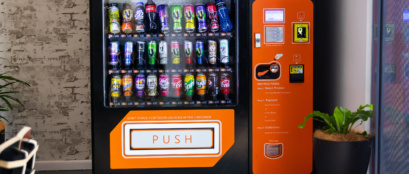
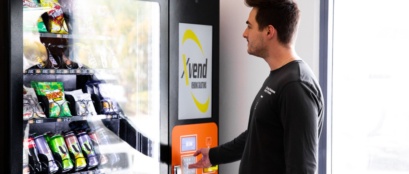
A construction site vending machine gives crews a way to buy food and cold drinks without leaving the gate, and on most jobs it sits in or beside the site shed where there is already power, shade and foot traffic. The requirements are straightforward: a level hard surface out of direct weather, a standard power point, and enough clearance for a service technician to open the door and restock. Get those three right and a machine will run for the life of the project, dusty months included.
The rest comes down to details that are specific to construction rather than to an office foyer. Sites move, power is sometimes temporary, and the busiest half hour of the day happens before most shops open.
The real cost of sending crews off site
Every food run off site is more than the time spent queuing at the servo. It is a vehicle movement through the gate, a car park to find, and a crew that comes back in stages rather than together. On a site with sign in and sign out procedures, or one where parking is a walk away, a fifteen minute break stretches out on its own.
There is also the safety side. In a Queensland summer, crews who skip a drink because the nearest shop is too far away are the ones who fade in the afternoon. Keeping cold water and electrolyte drinks within a short walk of the work face is a cheap way to support your heat management plan. This is the main reason vending machines for construction sites tend to pay their way in supervisor time before anything else.
Where does a vending machine go on a construction site?
The site shed, crib room or lunch room donga is the default. It is enclosed, it has power, and it is where crews already go at smoko. If the shed is tight, an external position under an awning or a covered walkway on the amenities block works well, as long as the machine is not sitting in driving rain or full afternoon sun.
A few things to check before you commit to a spot:
- Keep it clear of forklift, telehandler and truck reversing zones.
- Choose a spot the crib room does not need to walk around at knock off.
- Make sure a delivery trolley can reach it without steps or soft ground.
- Leave room for the door to swing fully open for restocking.
Sites change shape as the job progresses. If the shed compound moves, the machine can be relocated rather than written off, so it is worth mentioning the likely staging when the position is first chosen.
Power, dust and the realities of a working site
A vending machine runs off a standard power point. What matters on site is that the supply is stable and the lead arrangement is safe: a dedicated outlet rather than the far end of a daisy chain of leads shared with a saw bench. Modern machines are energy efficient and use LED lighting, so the draw is modest, but a machine that keeps losing power will not keep product cold.
Dust is the other construction specific issue. Concrete dust, sanding dust and general site grit build up on condenser coils and make the refrigeration work harder than it should. The practical answer is position and servicing: keep the machine away from cutting, grinding and mixing stations, and let the filters and coils be cleaned as part of routine vending machine servicing and maintenance rather than waiting for a warm drink complaint.
What should you stock for a 6am start
Construction stocking looks different to an office. Cold drinks and water carry most of the volume, especially through summer, and electrolyte drinks and iced coffee move early. Food leans towards items that eat well with gloves on and one hand free: pies, protein bars, chips, jerky, muesli bars and ready made meals for the crews who did not pack lunch.
Early starts also change the timing. If the gates open at 6am, the machine needs to be full before the first crew arrives, not restocked at lunchtime. Product mixes are customised per site, and the range can be adjusted once you see what actually sells on your job rather than what looked good on paper.
How do crews pay when nobody carries cash?
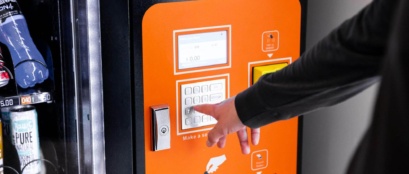
They tap. Cashless and contactless vending machines accept cards, phones and watches, which suits a workforce that leaves the wallet in the ute. Cashless also removes the coin float and the reason for anyone to force a machine open after hours.
Remote monitoring handles the other half of the problem. The machine reports what has sold and what is running low, so restocking is planned around what your site is actually going through instead of a fixed calendar. On a fast moving job, that is the difference between a full drinks row in February and an empty one.
Site paperwork, test and tag, and insurance
Anyone coming through your gate needs to satisfy the same requirements as your subcontractors. Xvend can test and tag machines in house in line with Australian workplace electrical safety requirements, and carries public liability insurance. Safe Work Method Statements and Standard Operating Procedures are available on request, so your site manager can file them with the rest of the contractor documentation before the delivery is booked.
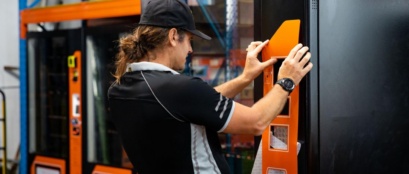
Installations are clean and professional, which on a live site mainly means the machine arrives, goes in where it was agreed, and the crew installing it follows your induction and site rules like everyone else.
Vending machine hire from Xvend
Xvend supplies vending machines to construction sites across South East Queensland and Northern NSW, from Caboolture in the north to Murwillumbah in the south, taking in Brisbane, Ipswich, Logan, Redlands, Moreton Bay, the Gold Coast and the Tweed. That includes the industrial corridors where a lot of this work is based, such as Yatala and the surrounding industrial estates.
Hire is completely free for the host business: $0 hire fee, free delivery and installation, free restocking, and free repairs and servicing with no call out fees or hidden charges. There is no lock in contract either, so you are free to change providers at any point. If you want to talk through a position for your site shed, get in touch with the Xvend team and we can work out what suits the job.