 Drinks
 Snacks
 Meals
Meals Healthy Options
 Miscellaneous
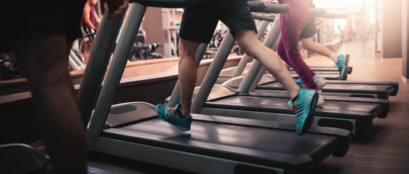
Gym vending machines should be stocked for members who have just finished training, not for casual snackers. The demand sits in a narrow window: the twenty minutes after a session, when people want protein, hydration and something quick before they drive home. A machine built around ready to drink protein, electrolyte and sports drinks, water in two sizes, protein bars and a few ready to eat recovery options will outsell a standard snack layout in a fitness setting. Confectionery and chips still have a place, but as a small part of the layout rather than the backbone.
What do gym members actually buy after a session?
Post session demand is predictable, which makes a gym machine easier to stock than an office one. Cold drinks move first, and they move hardest in the half hour following classes. Food follows, and it skews towards high protein, single serve items.
A workable starting split for a combo machine in a fitness centre:
- Ready to drink protein shakes and protein iced coffees
- Water in two sizes, plus electrolyte and hydration drinks
- Sugar free energy drinks for early morning and late evening sessions
- Protein bars, jerky, nuts and other high protein snacks
- A limited selection of confectionery and chips
Getting the drinks side right
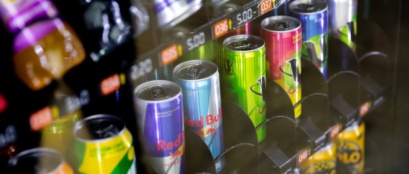
Drinks carry a gym machine. Two things matter more than brand choice: temperature and size. Water needs to be genuinely cold and available in a large bottle as well as a 600ml, because members rehydrating after a heavy session will pay for volume. Electrolyte drinks earn their space through a Queensland and northern NSW summer, where sessions in a warm training space leave people down more fluid than they expect.
Protein drinks are the difference between a snack machine and a gym machine. If your gym also sells supplements over the counter, keep the machine to single serve, grab and go versions so it complements that shelf rather than competing with it.
How often should a gym machine be restocked?
Often enough that the protein and water rows are never empty on a Monday morning, which in practice means restocking is planned around your class program rather than a fixed calendar day. A gym machine empties in bursts. If your busiest sessions run Monday to Thursday evenings, the drinks rows will be thin by Friday even though the snack rows still look full. Remote monitoring makes that manageable, because the machine reports what has sold and the restock covers what is actually low.
Power, footprint and payment
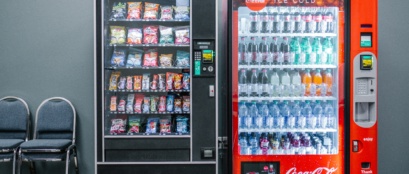
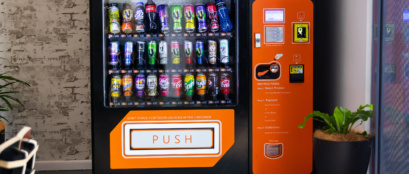
Most gyms have less spare floor space than they think. A combo machine needs a clear footprint, a standard power point and a spot where people using it will not block a doorway or the front desk. Reception areas, the corridor near the change rooms and the wall beside the water fountain all work well. Machines are energy efficient, and installations are clean and professional.
Payment should be cashless and contactless. Members train with a phone and a card, not a wallet full of coins, and cash handling creates a job nobody at the front desk wants.
Vending machine hire for your gym
Xvend supplies vending machines to gyms and fitness centres from Caboolture in the north to Murwillumbah in the south. Hire is free for the host business: $0 hire fee, free delivery and installation, free restocking, free repairs and maintenance, no call-out fees, no hidden charges and no lock-in contract, so you can change providers at any time. Machines are tested and tagged in-house, we carry public liability insurance, and SWMS and SOPs are available on request. If you want a stock list built around your members, get in touch with the Xvend team.